Diffusing sharp feedback
Three ways to navigate the shock of rejection sensitivity and move forward
Micha
3 min read
I'm starting a mini series, exploring different executive function skills and how to develop them.
This one centres on Emotional Regulation, a skill that underpins the effectiveness of all our other skills. We all practice this every day, but for neurodivergent people, the stakes feel much higher. Elevated sensitivity to rejection means that some everyday experiences can feel like a direct threat to survival.
Let's set the scene.
You're in a work situation, say an interview or an important presentation. And people have questions, opinions or feedback for you. Some may be positive, some may be critical.
"Why did you do this?"
"How do you know this is the case?"
"It would have worked better if you had done it this way."
"This should have been done by now."
"You should work on your XYZ skills."
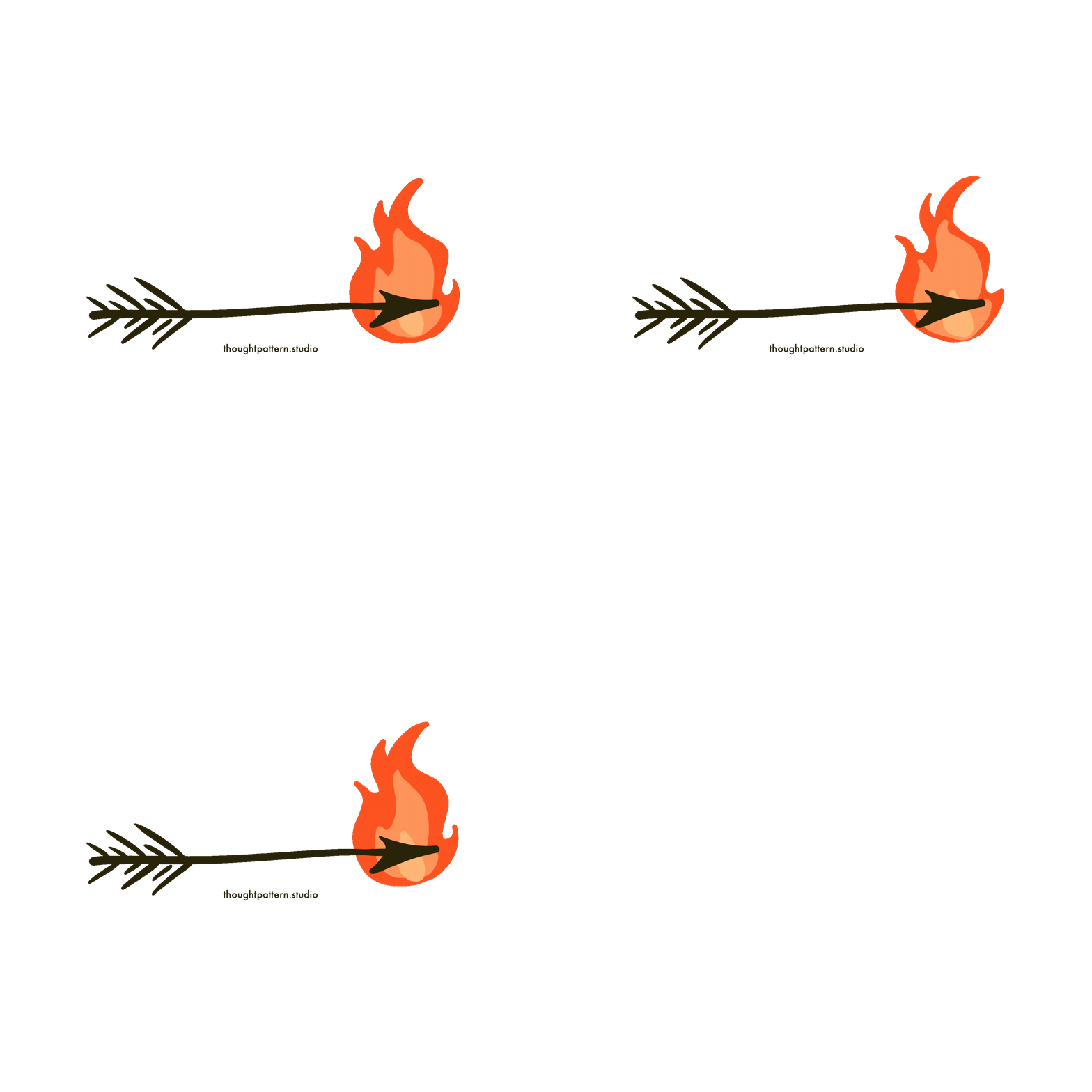
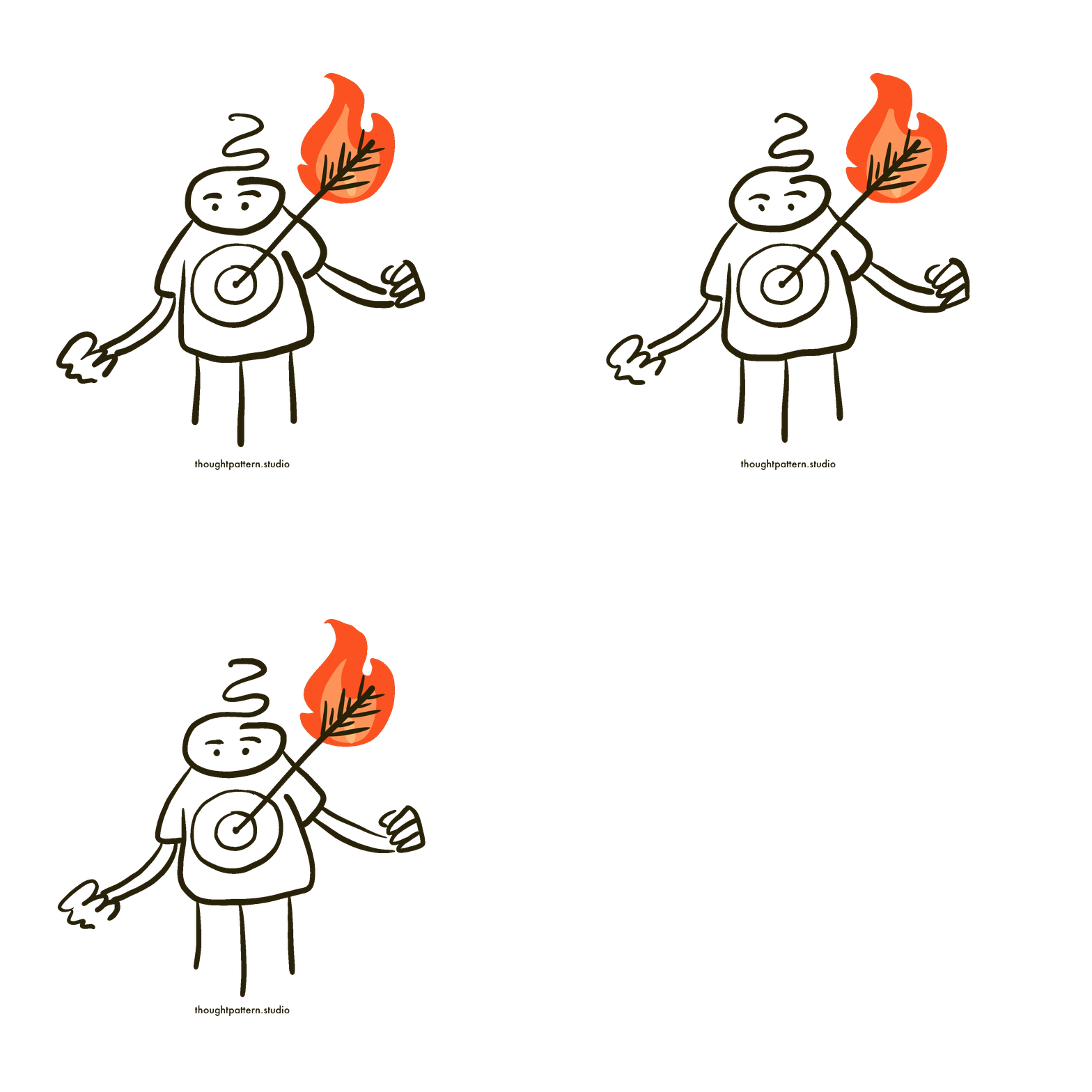
A pointed question or difficult feedback can feel like an arrow, flying directly your way. You can feel it hit you, and you're suddenly on fire.
You've probably heard that you should create distance between you and a triggering comment or question. For sure, that's the goal, but how do we create distance
We'll try three approaches to diffuse the flaming arrow.
1. Move the target
With each of these, take a deep breath first. I'm sorry, I know you've heard it before, but it works.
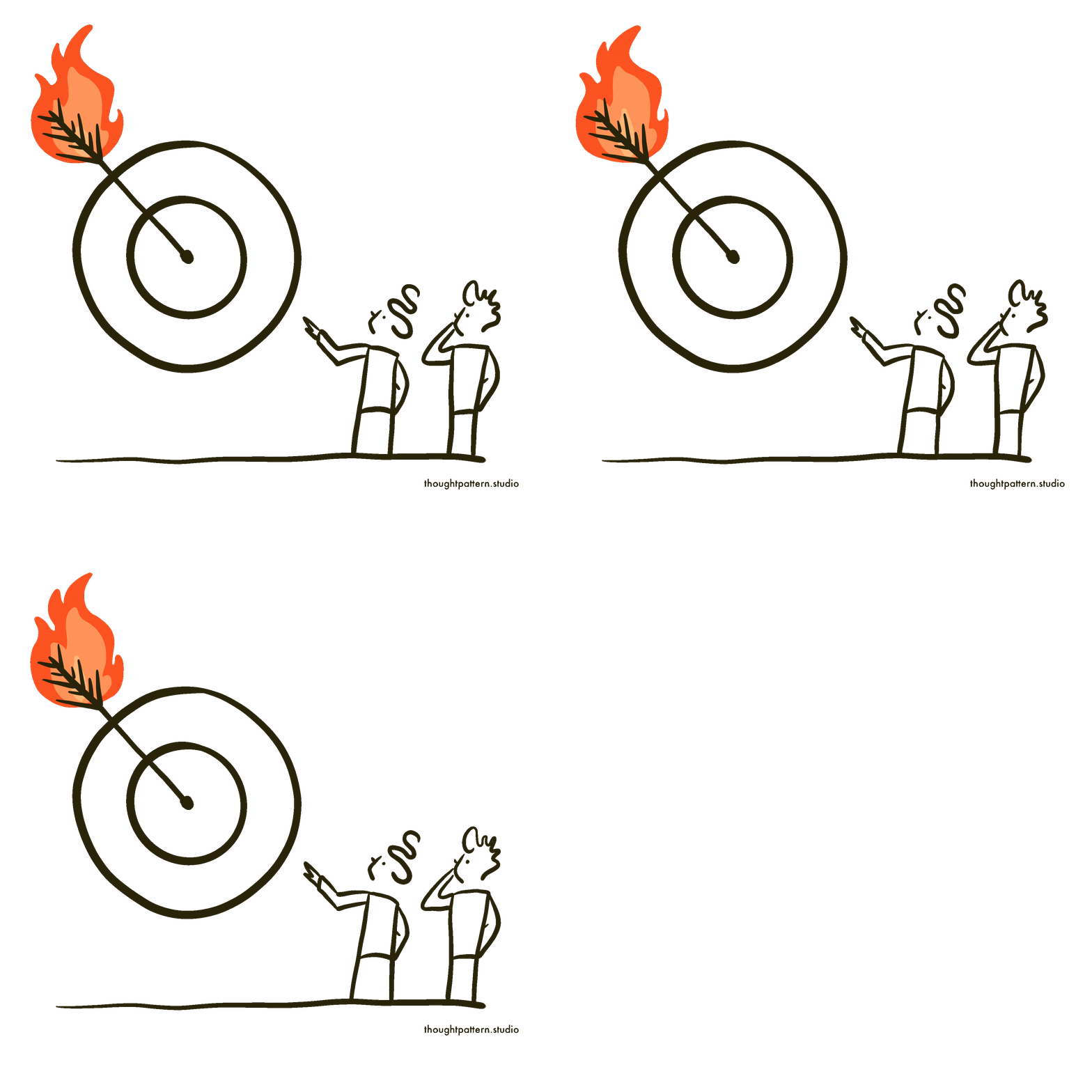
When the feedback (arrow) flies your way, picture that there is a target for it. The target isn't on you, though. It's safely a meter on so to the side. You and the person are now both able to stand back and 'look' at it together and can talk about what you see. You're collaborating to solve a riddle or overcome a challenge, which is now made visible and can be unpacked with care. You are not the target.
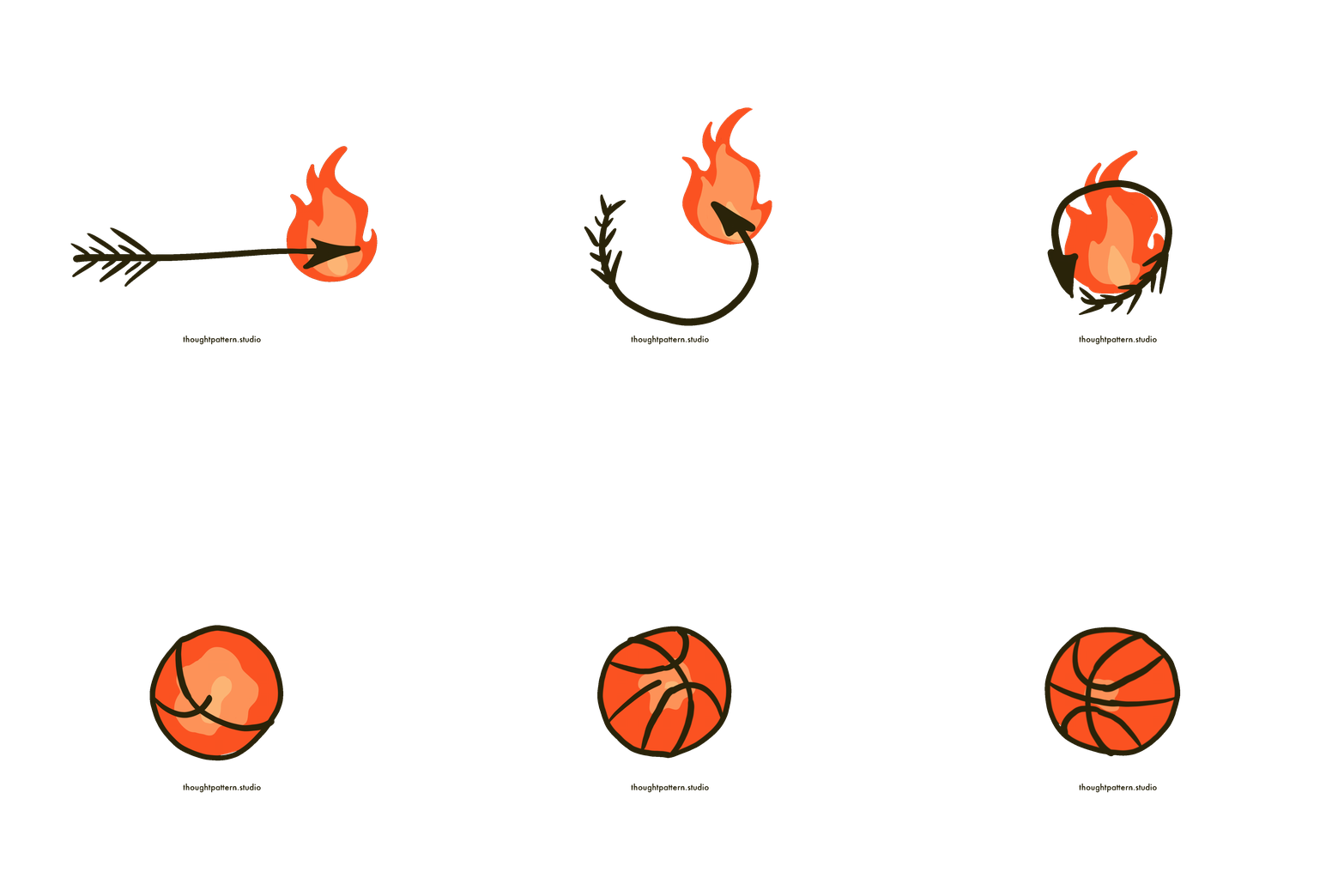
Again, breathe. See the question or feedback as a ball. Picture yourself catching it. You can hold it, roll it a bit, and see it from different angles. Maybe you can put it down for a minute. Maybe you can even play with it. Whatever feels right. Because the ball is with you now, you can choose how to throw it back. Remind your brain that even though there are competitive games with balls, right now you're just playing catch, not trying to score points. Slow down. Lower the stakes.
2. Change the arrow
I'm glad you noticed. The third one is up to you. Strategies for building skills often work best when you design them yourself. Change the ones I shared or make up a new one. For some people, visualisation isn't accessible at all. So, a more cognitive approach to space-making will land better. Ask yourself - how can I hold the feedback at a safe distance? What would allow me to move myself out of the way of impact and be in control? Practice in low-stakes situations, so when you need it, it's familiar and available to you.
Visualisation is one doorway into regulation, but there are many others. We will explore them in future articles.
And in a way of a mini third strategy, I will say this - some people just don't know how to give feedback well. You'll inevitably come across them. The trick is to remember not to take the hit just because they don't have a skill.
All doodles are by me, and alt text is embedded.
Edit: This almost immediately warrants a post on how to actually give good feedback. A deeper dive into group dynamics and systems that need to be designed thoughtfully and inclusively to prevent harm. Coming up soon.
3. You said three ways
Thought Pattern
Navigate
© Thought Pattern Studio Ltd 2026








Services
Get something useful every month
Tips and strategies on how to work with your thoughts so they serve your best interest