Getting unstuck
Building task initiation skills, so you can break out of inertia without the need to panic
Micha
4 min read
The mini series continues, exploring different executive function skills and how to develop them.
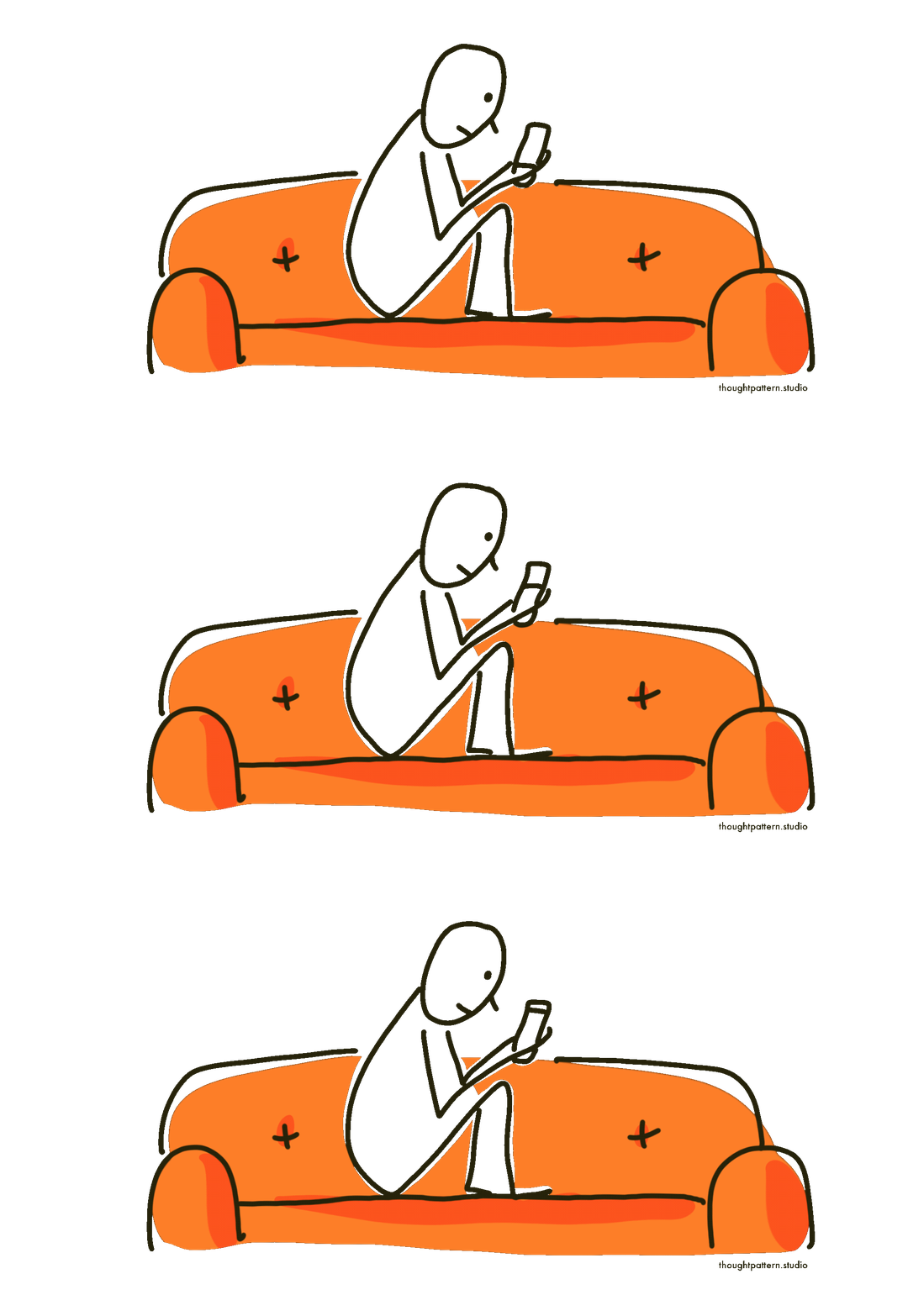
Today, we're covering Task Initiation, a skill we tend to only think about while stuck on the sofa, in a doom-scrolling paralysis.
Procrastination is self-defence
First, we're going to tackle procrastination's bad rep and drop the shame associated with it.
When something is looming over, the laundry, the scary email inbox or the project that needs attention, self-preservation kicks in. What we're doing now is safe; what we need to do next holds danger. So we stay put and keep distracted to soothe our nervous system. Anxiety can switch off the capacity to act, even on things we actually want to do. The brain is supposed to keep you safe, and it's doing just that.
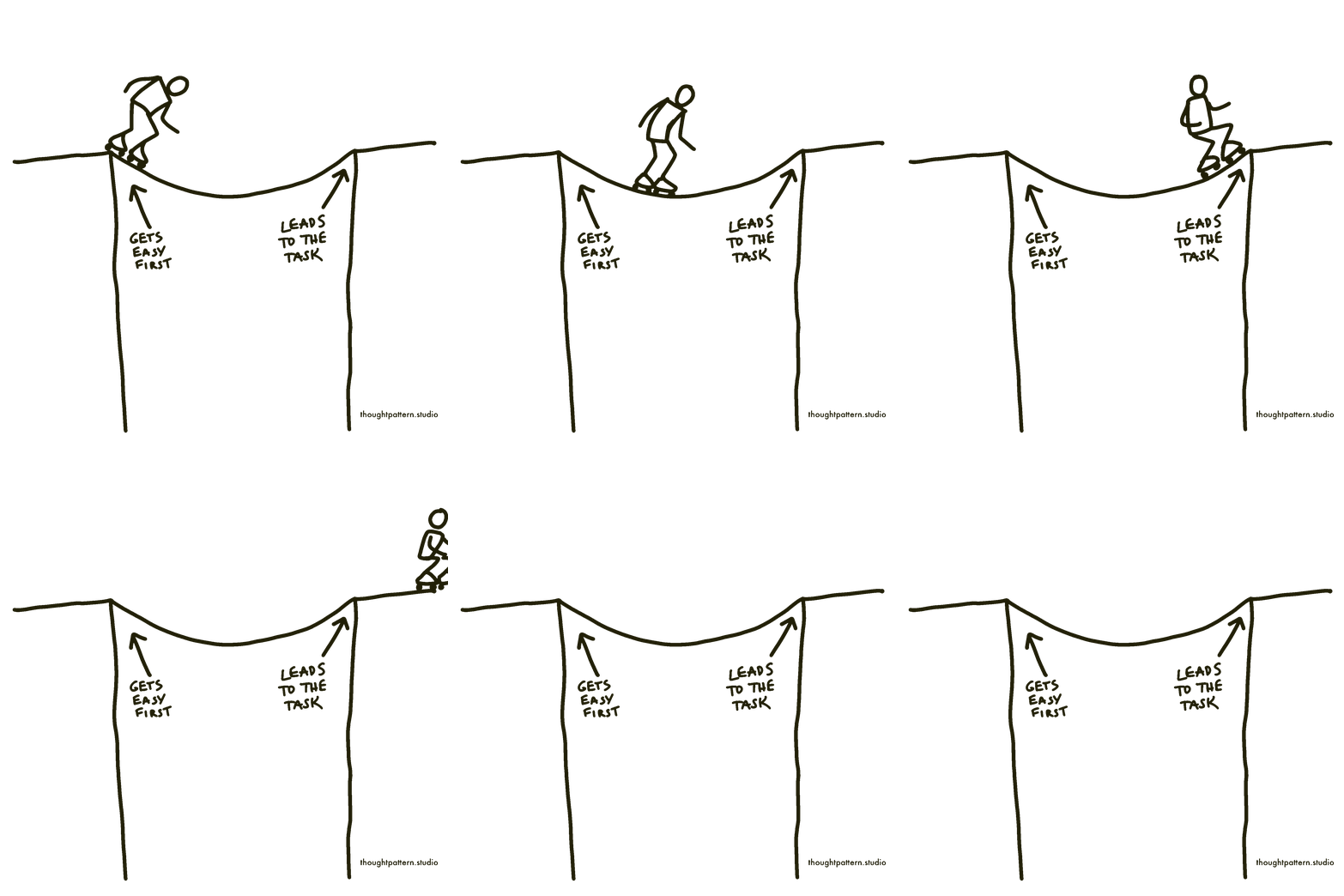
The big drop
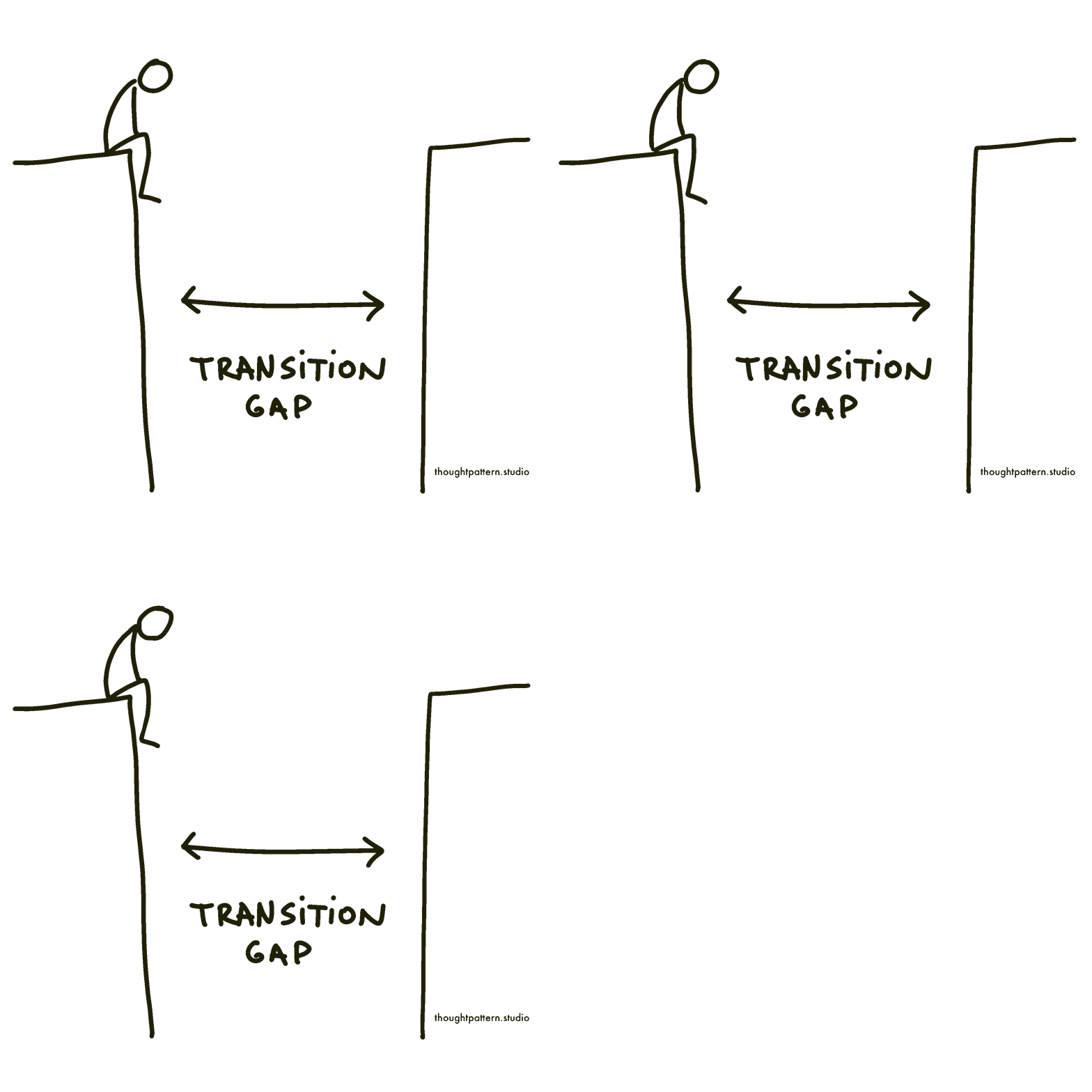
A lot of what we have to do isn't enjoyable. There's no dopamine in chores or admin, so starting is a monumental effort. The gap between what is pulling our attention now and what we're supposed to switch to is huge, and telling ourselves we should just be able to hop over it is ineffective. An interest-based nervous system cannot usually be reasoned with, but it can be persuaded. We'll need some tools.
1. Roller skates
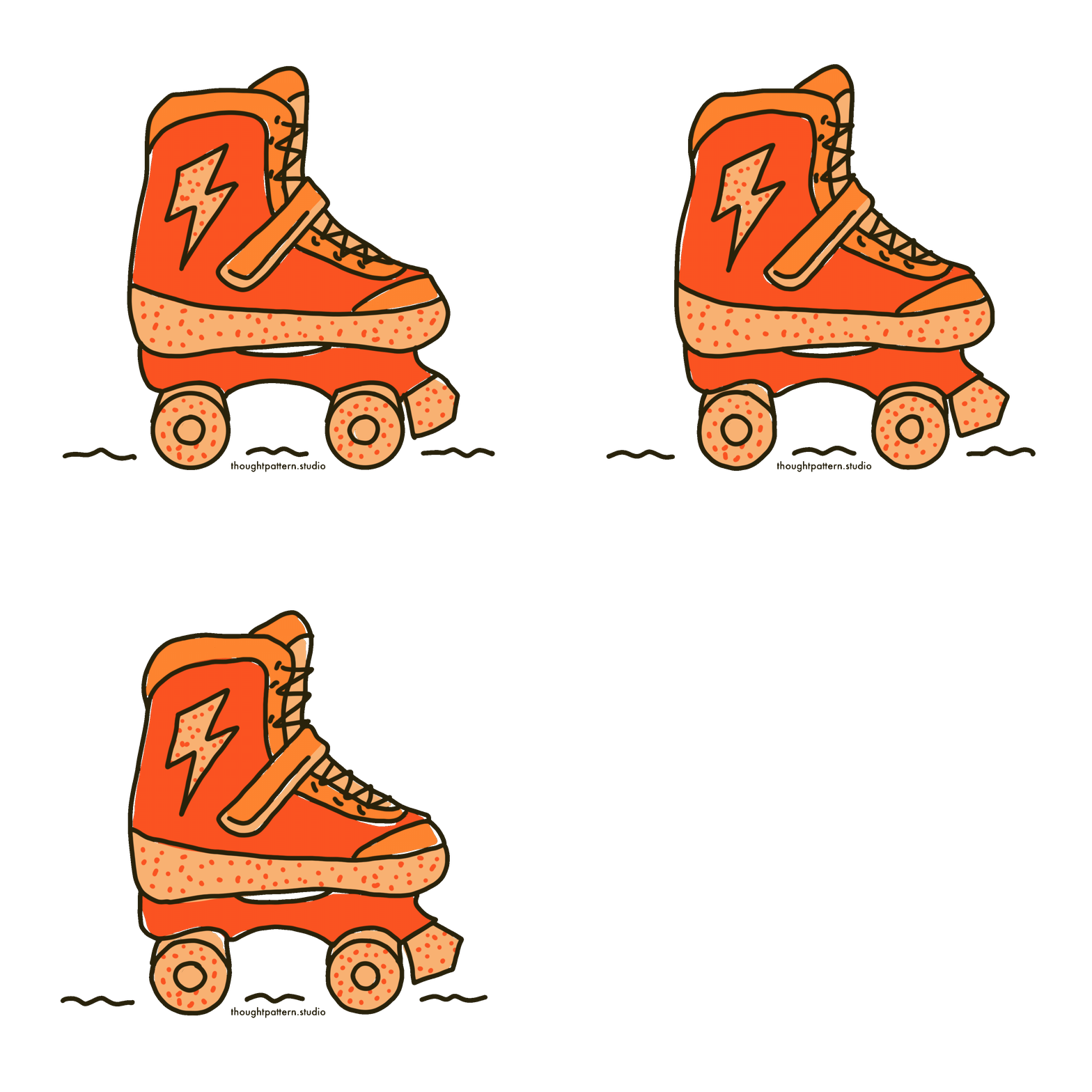
If we're fighting inertia, first we're going to need momentum. Your metaphorical roller skates can be anything that brings you excitement and, therefore, dopamine.
This might mean that you start dancing well before you start vacuuming the floor or folding the laundry. Start with play and joy, but really commit to it. Make it something that the task is associated with, so over time, you can look forward to it. For me, the only effective way to exercise at home is to get into a series and only watch it while working out.
Your battles will be different, but the principle is the same - make a list of what you like and use it as a menu to choose from, pairing tasks with rewarding activities not after they are completed, but while you're doing them.
2. Ramps
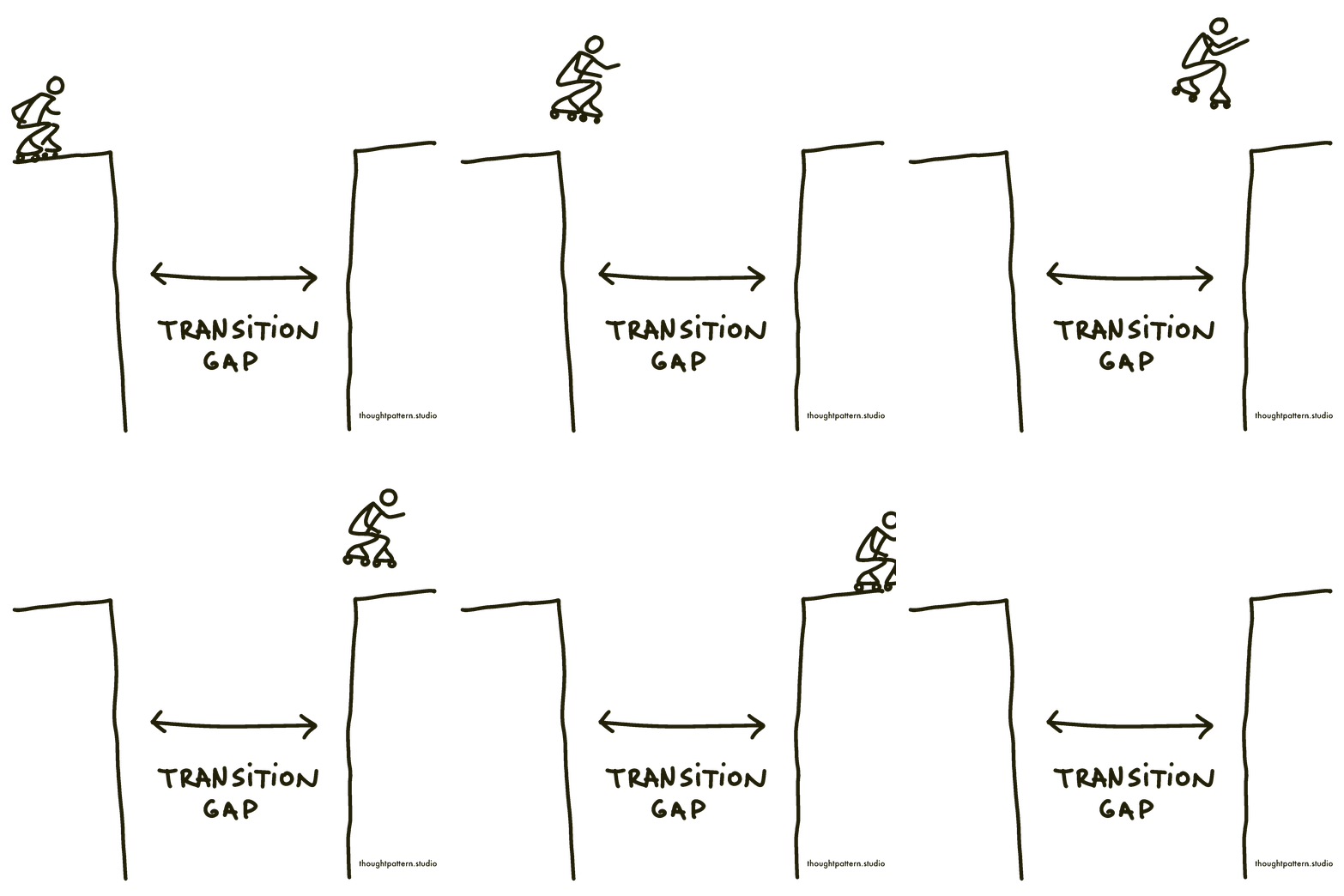
Skates are fun; on some days, they will be enough to get us over the gap. On other days, we need a little extra. Enter - the ramps.
Used well, a ramp will take the momentum we've created and multiply it. There are two criteria for a good ramp:
It gets easier first - the metaphorical incline will give you a much-needed boost
It's clearly linked to the next task - skates are fun; at times, they can absorb all your attention. Before you know it, you're deep into your favourite audiobook, and the closet is still a mess.
For me, some ramps include - laying out my exercise mat in the morning, even though I won't be doing a workout till after 6 pm. It's both a nudge and the first step of the task.
Worksheet
When we're frozen in inaction, we might not be in the best place to think of ideas. So I suggest taking a moment now to make a simple list. Give yourself a minute for each and write down some skates: dopamine-rich, joyful activities that excite you and some ramps: ways to make tasks smaller and easier to start.
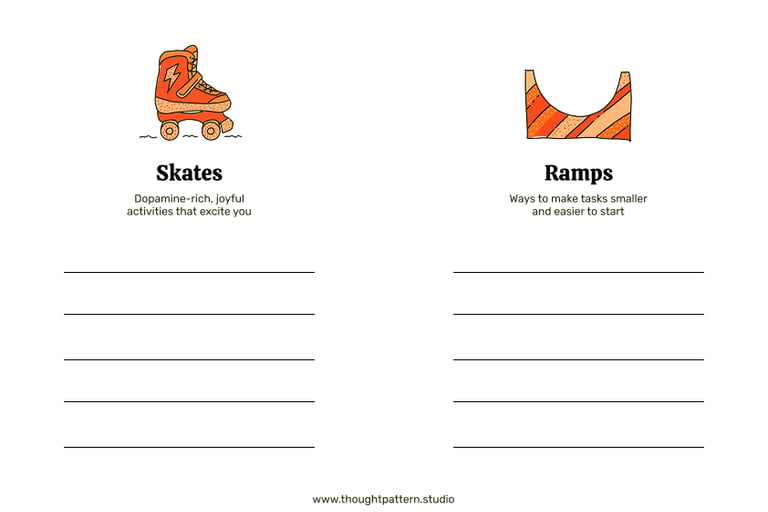
I've made a worksheet you can use, but you'd be just as good with some paper or post-its. Put them up somewhere you can see, so next time you're feeling stuck, you have something to reach for. And keep adding to the lists over time.
Get really good at skating
Finally, and perhaps most importantly, the more you do the things you dread, the less power they have over you. But you need to shift your mindset first. If you tell yourself, "This should be easy, I'm failing if I can't do it", it will get harder and harder each time. If you face the dreaded task with the knowledge that this will be hard, but you have the skills to do it, every time you succeed, you can (and should) feel proud of how well you skated through the task. "This was hard for me, but I did it anyway" deserves a little celebration.
Remember, this is a skill you can build; you're not bad at it, you're just out of practice.
All doodles are by me, and alt text is embedded.
Thought Pattern
Navigate
© Thought Pattern Studio Ltd 2026




Services
Get something useful every month
Tips and strategies on how to work with your thoughts so they serve your best interest