Making changes
Understanding why change can be hard, and how to make it work for you
Micha
5 min read
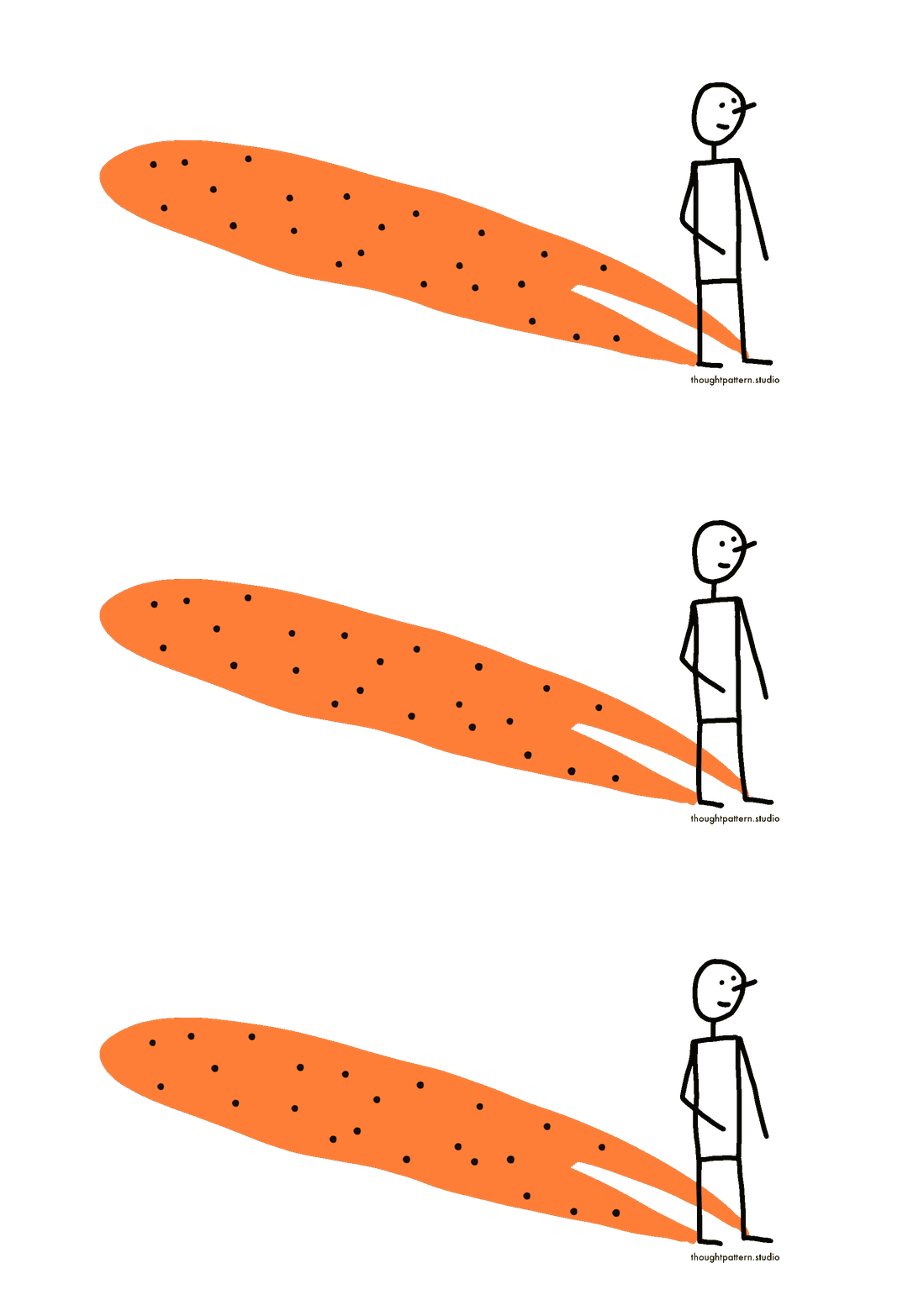
By early February, many people start to back out of their New Year's resolutions. If that's you, please know, it's not because you lack the willpower or the discipline. There are several very good reasons rooted in how our minds are wired and how our thinking patterns shape us. Let's look at what makes change hard, and how to achieve it anyway.
1. The infrastructure isn't there yet
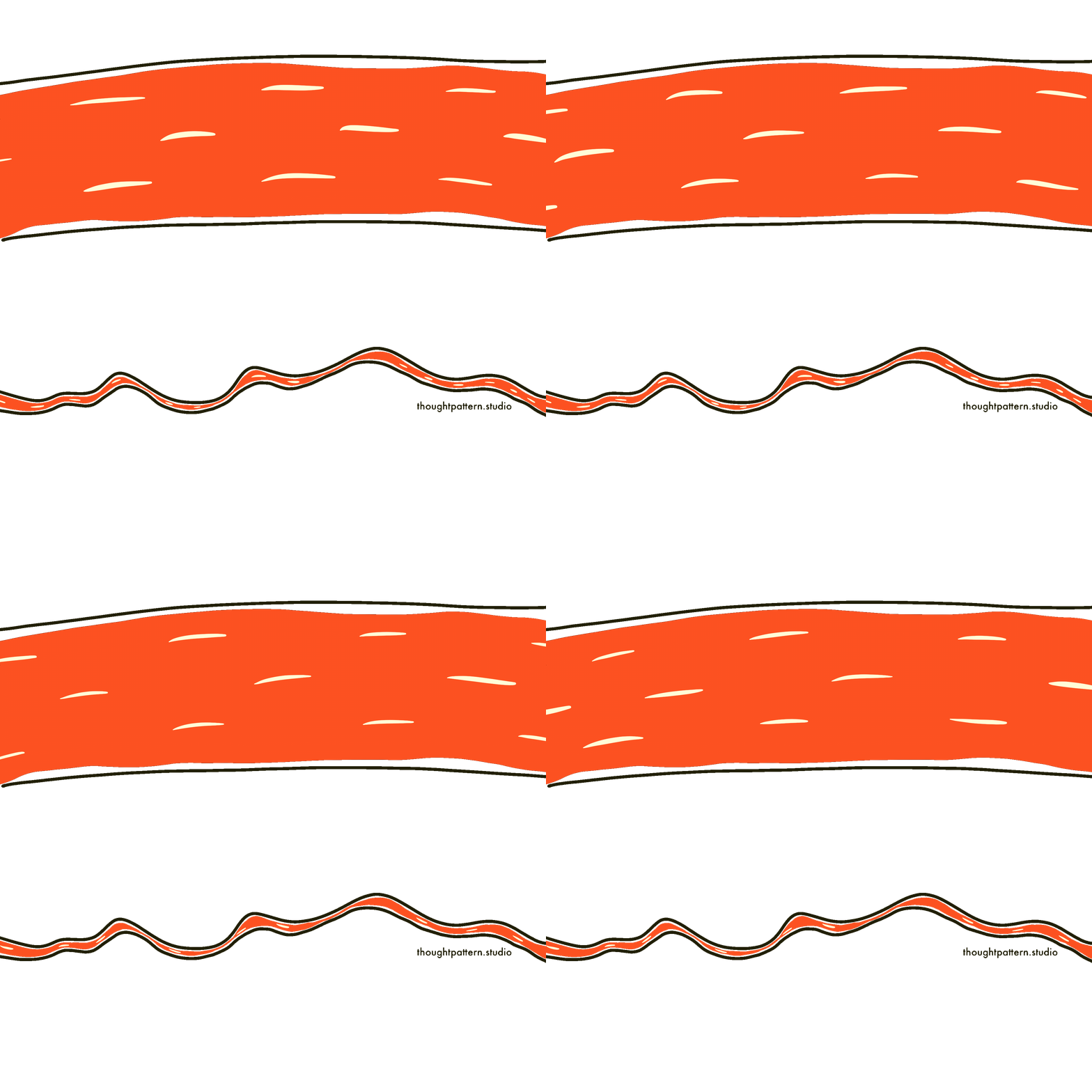
To understand change, we first need to look at the brain's physiology. Neurons form pathways when they communicate with each other. The famous - 'fire together wire together'.
Each time an electrical impulse travels through a pathway, the brain reinforces that pathway with a gel-like substance called myelin. The more myelin a path has, the faster and easier the current travels.
What's happening on a cellular level is a lot like a road system. Over time, some pathways become ultra-fast train lines, optimised for efficiency. Others stay as alleyways for occasional foot traffic. The parts you never use get covered in brambles and become inaccessible. Whenever you want to make a change - build a new habit, or become good at a new skill, you're starting from a small path that needs traffic to expand and become established. New thoughts are harder to think and require more effort.
2. Change is inefficient
(and your brain isn't sure it's worth it)
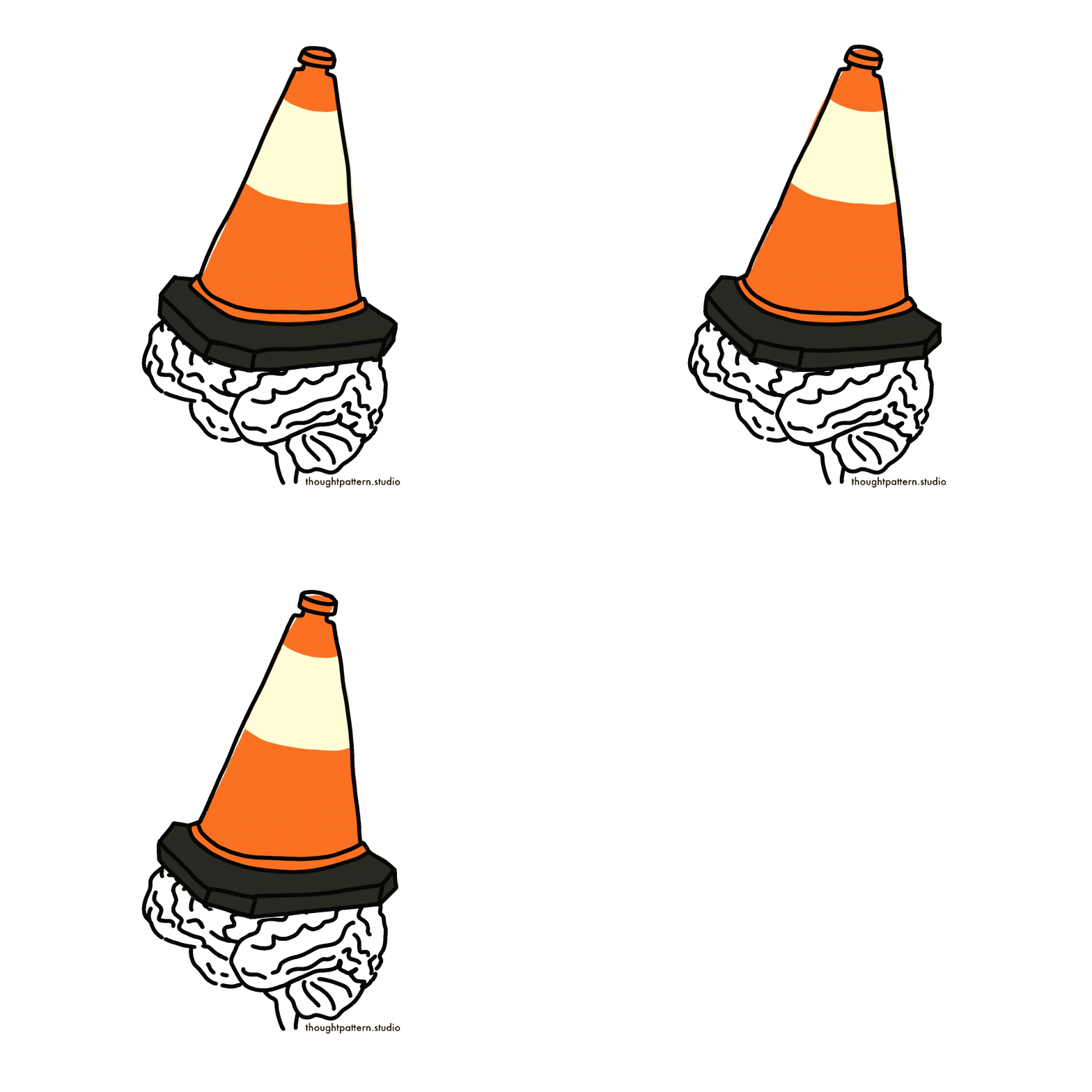
Brains are energy-intensive. Roughly 20% of all our energy goes into powering that single organ. Unsurprisingly, it's trying to optimise as much as possible. The less change, the less energy burned.
We can map three zones of operation:
Comfort zone - everything is familiar and therefore efficient
Growth zone - where some is known, but new pathways need to be used too, so there is some challenge
Panic zone - where the pressure of the unfamiliar can trigger a safety protocol to shut down the works
Learning happens in the Growth zone, that's where you begin to feel discomfort, but not panic. The brain needs a degree of pressure to invest in change over sameness. It has to believe that the 'new' is necessary and reachable. After all, building a new railroad is expensive, and your brain wants to have a good reason to do it.
3. It clashes with what you already know and believe
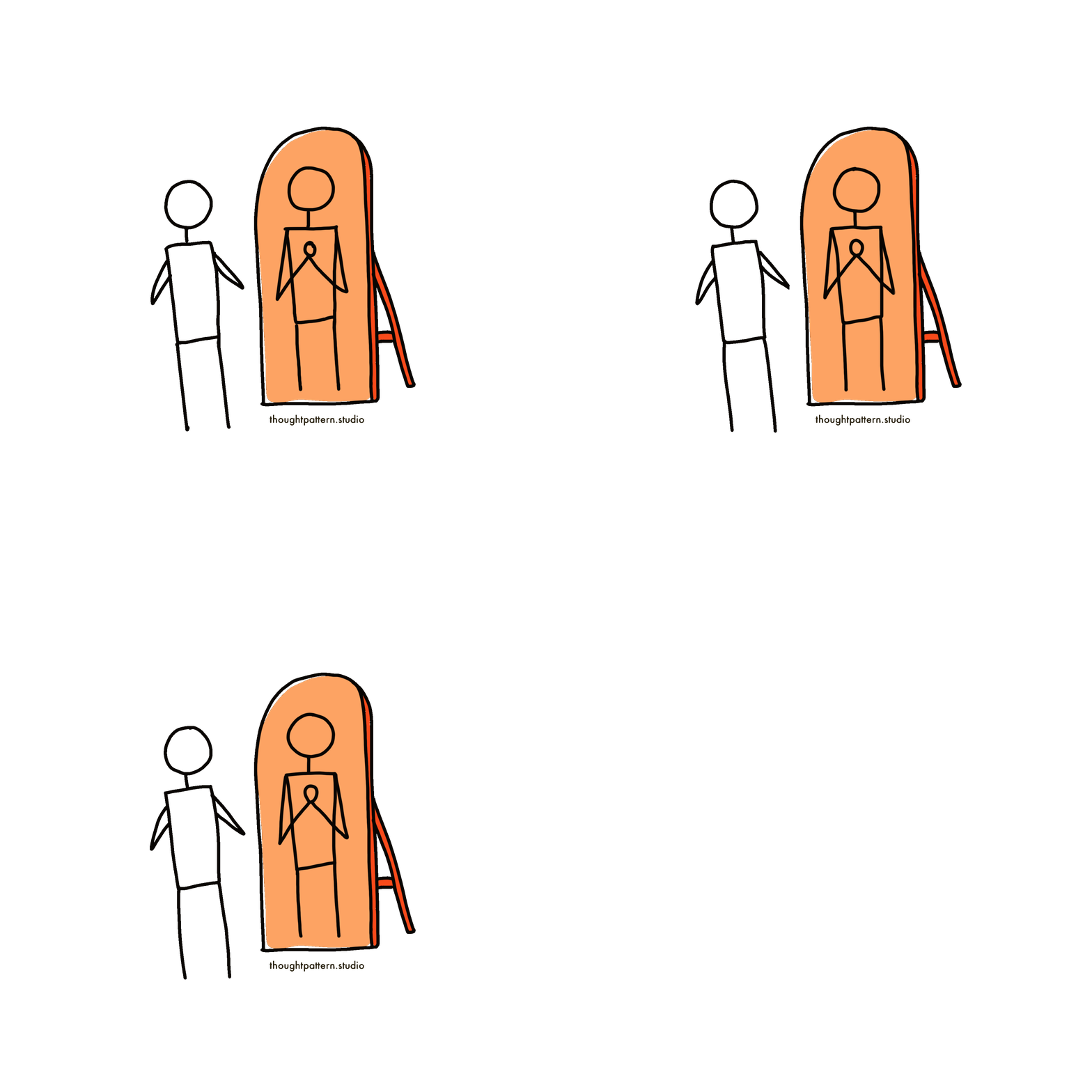
Above all else, the role of your brain is to keep you safe. It's an analysis and prediction machine, so what you have been doing so far is safest. Who you have been so far has to be protected.
Identity is malleable. Something as simple as wearing a lab coat makes people think and behave more like scientists. Your brain can't easily distinguish between what is real and what is vividly imagined and embodied. So what you think of yourself becomes who you are.
If you are someone who drives everywhere, then you know yourself as a driver. It's the default you're used to. If you see yourself as a cyclist, then that's a different identity, with its own set of behaviours. Whatever the established identity is, your brain will defend it and resist change. It's the most familiar and secure option.
Why bother?
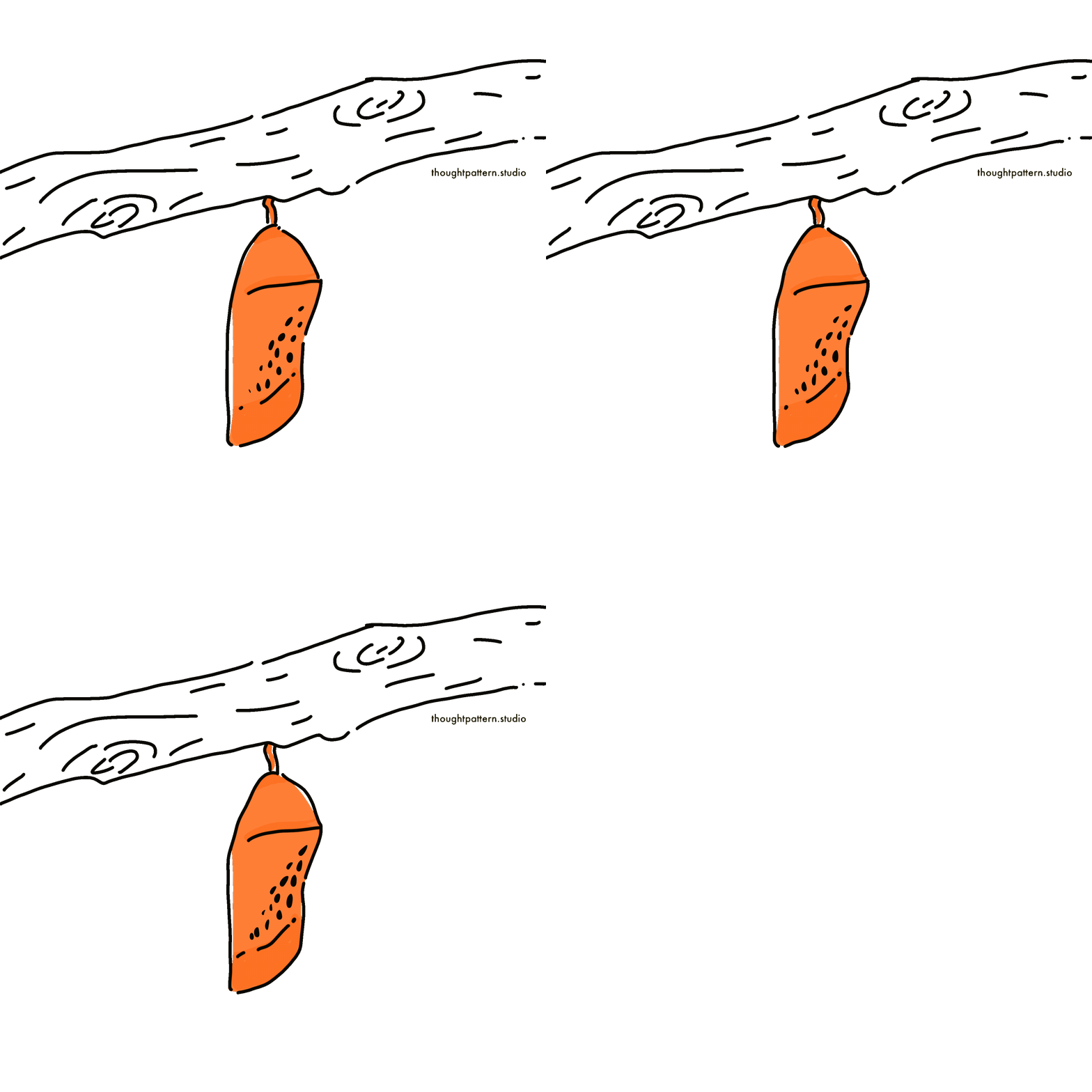
If staying as you are is faster, safer and easier, why do anything else?
For starters, many things we do daily aren't very good for us. They might feel safe in the moment, but aren't in the long run. Everyone's nemesis - scrolling on social media - is a good example. It feels rewarding and soothing in the moment, but over time it builds a particular set of skills - switching attention from one topic to another and processing information quickly without digging for detail. These aren't bad skills, provided that in parallel, we're also building skills in sustained attention and deep processing. The trouble is, the latter two are more energy-intensive, so if left alone, traffic will flow in the direction of ease.
To be healthy and feel fulfilled, most people require change. Like houseplants in need of repotting, we outgrow our lives over time.
A formula for effective change
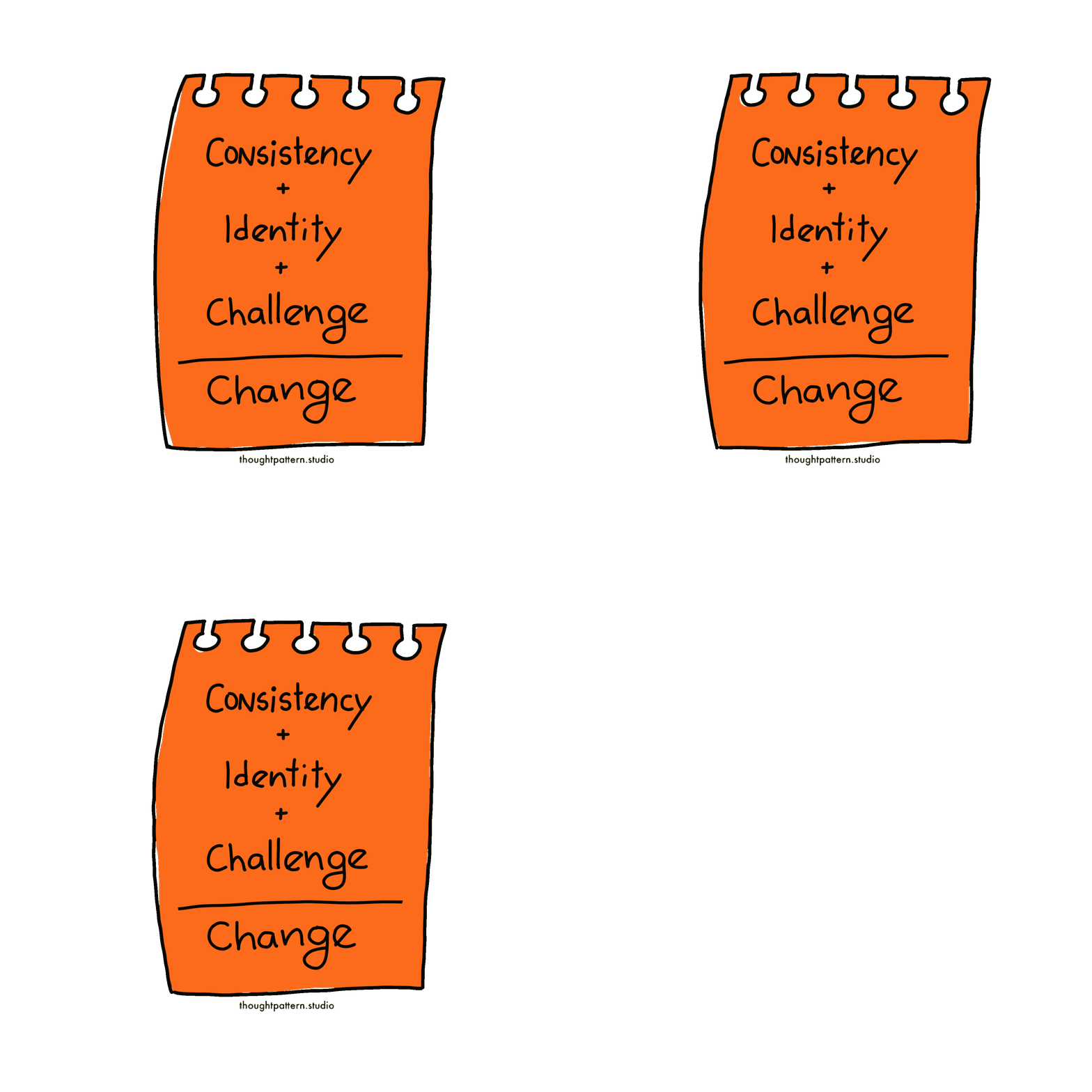
Consistency + Identity + Challenge = Change
Consistency helps build the pathways and reinforce them with myelin, so they can be more efficient than the old ones. Doing something badly but regularly will give you better results than a single big effort.
Identity shift is partly a choice (e.g. I am a photographer) and partially a set of new behaviours. As you work on your consistency, you will build a new identity. When you deliberately reinforce that identity, consistency gets easier. It's a virtuous cycle.
Challenge is all about tolerating discomfort in a balanced way. It's a skill you build over time, with small pushes at the right moment. Where you are now is comfortable; to change, you have to cross over the edge. If it doesn't feel difficult, you're not growing. If it feels unmanageable, you've pushed too far, too quickly. Gradually, repeatedly, what feels comfortable gets bigger.
Boosting positive change
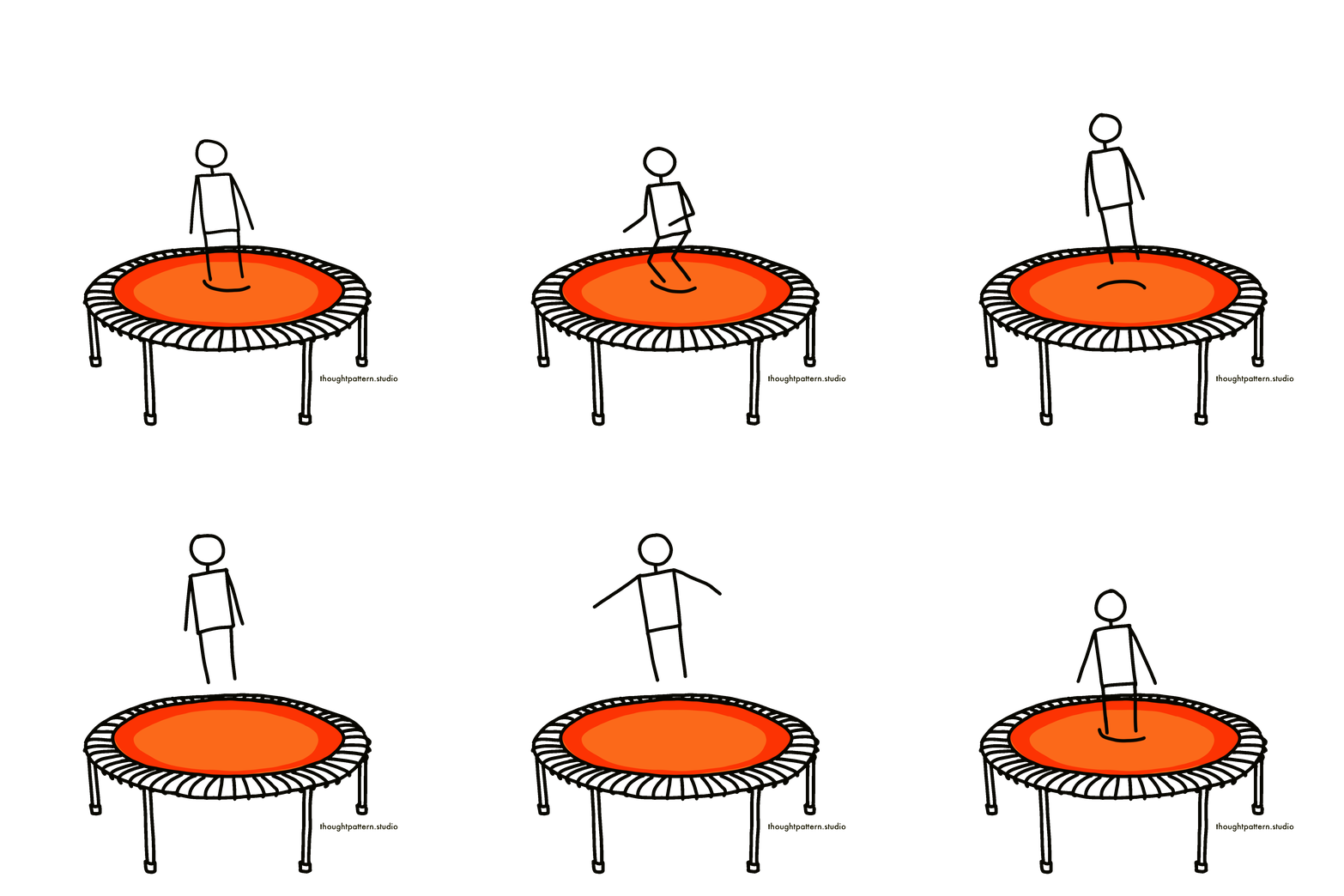
You want to improve your chances of making a real change? Lean into the brain's natural predispositions and capacities.
Responding to Cues - A runner may have their running gear out so it's visible and easily accessible.
Pattern seeking - A writer might start the day by writing 3-4 pages, to signal that it's a deep focus kind of day
Mirroring - A martial artist might hang out with other martial artists, so they can practice together
Pace and timing
Sleep is how all the systems in the body regenerate. New pathways consolidate, old ones get pruned down if needed. It's critical maintenance time and should be non-negotiable.
Time your efforts. While using the energy of a new beginning is helpful, January isn't actually the best month to start things. It's a great time to build foundations and sow seeds, so once the sun is back and the days get longer, you too can mobilise your energy into building new habits.
Sustained change requires the right environment and mindset, not willpower or force. You can start slow, with just thinking of yourself in a new way. A key property of brains is neuroplasticity. They are changeable, given time, repetition, challenge and appropriate rest.
As usual, all doodles are by me, and alt text is embedded.
Thought Pattern
Navigate
© Thought Pattern Studio Ltd 2026







Services
Get something useful every month
Tips and strategies on how to work with your thoughts so they serve your best interest