A guide to transitions
Designing ways to help you stop, start and transition between activities
Micha
7 min read
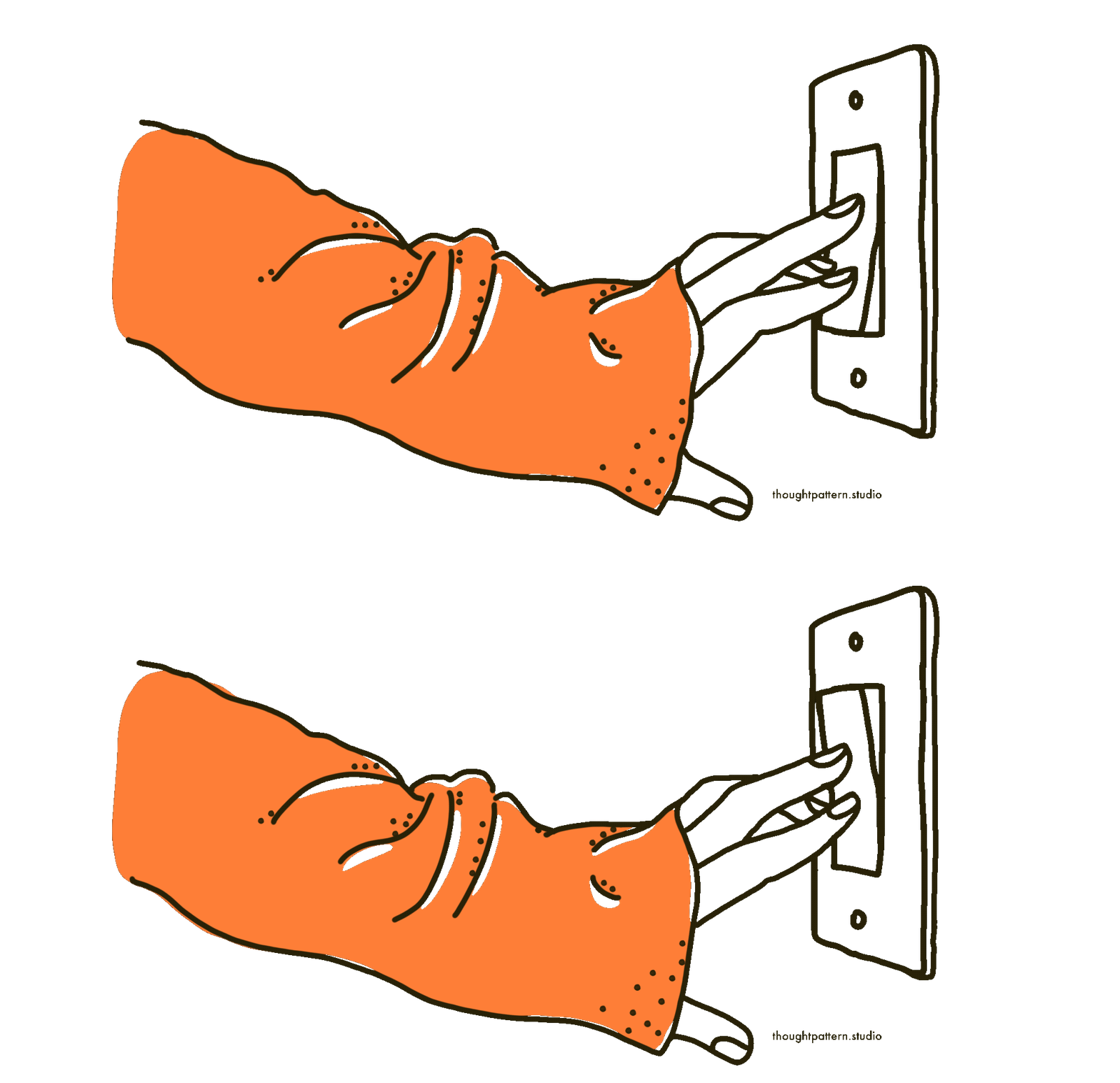
Shifting from one state to another is rarely a simple switch. In the physical space, this is widely understood. Nobody runs a 100m sprint and jumps into the ocean for a swim with no break. But when it comes to cognition, we expect rapid pivots without accounting for inertia.
If you've ever been overwhelmed by a change in direction or struggled to be fully present when starting something new, maybe a dedicated transition was the missing piece.
Task vs. activity
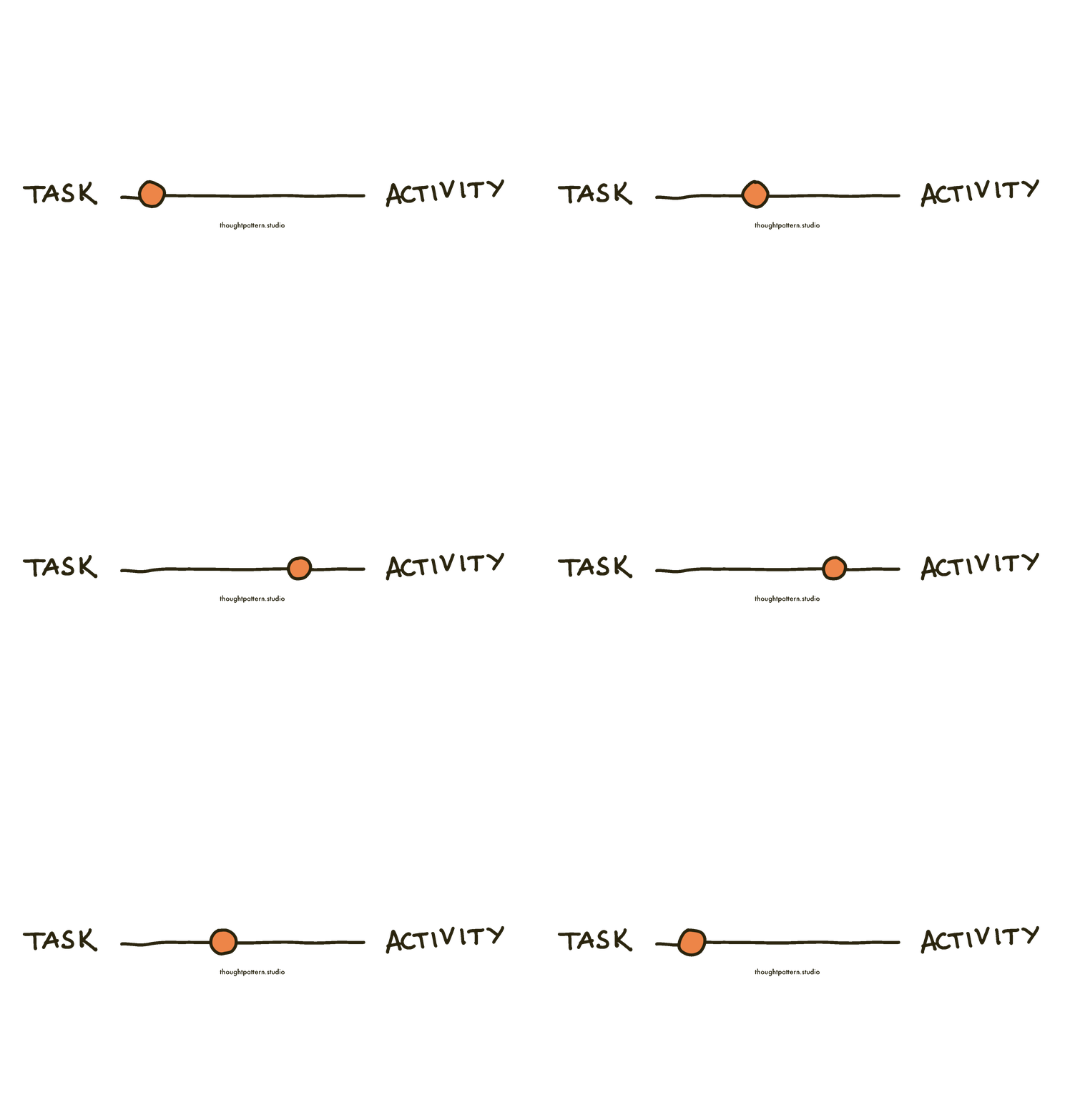
To start, let's distinguish between tasks and activities. Like most things, they aren't always clean cut, but exist on a spectrum and hold some distinctive characteristics.
Tasks have a relatively linear structure, usually with a clear outcome and a definitive finish. For example, a tax return is either submitted or not. You follow a process made up of steps and stop when complete.
Activities are non-linear. They tend to have some kind of final goal or ending, but it's up to personal interpretation what that is. They work by sensing and feeling. Think, reading a book, having a conversation or doing research on a topic. You get in a flow and continue until it's time to stop.
Why does the distinction matter? Typically, tasks are harder to start, while activities tend to be trickier to end.
How to stop
First, let's acknowledge that we're always doing something. Starting anything requires stopping an activity first. To open the curtains, you have to stop lying in bed. To write a report, you have to finish reading and responding to emails. How easy it is to do that will depend on your focus.
Focus levels
If activities have no clear ending, then we are left with 'sensing' when to stop. This can be problematic for several reasons. In reality, not everyone has that internal capacity. It helps to begin with awareness of the different levels of focus. We'll use water as an analogy.
On tap (hyperfocus)
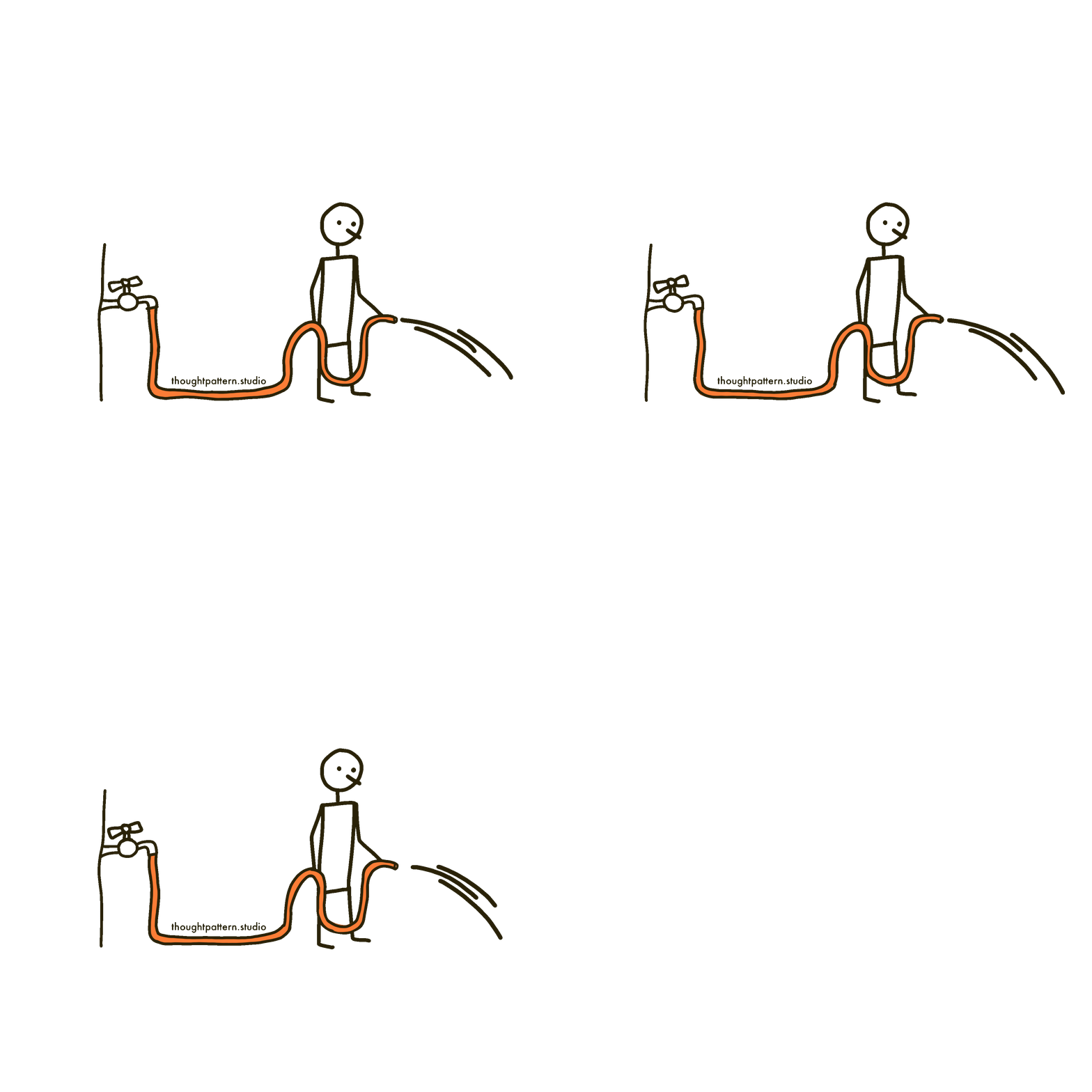
Deep focus is like having a hosepipe connected to the tap. A constant flow; you can keep going (seemingly) indefinitely. You can cover a lot of ground and make progress quickly.
However, sometimes you have to be stopped rather than stop yourself. Hyperfocus is hard to break because it interferes with your internal signalling system. Even pausing for food, water or bathroom breaks becomes impossible.
While you can't always predict how deeply you'll focus, you can prepare yourself physically. Before you dive in - snacks, water, everything you need so you don't have to break flow for basic survival.
If you know you need to stop at a certain point, but don't think you will, timers or planned interruptions from people help (as frustrating as it can feel). To stretch the metaphor further, sometimes the tap is simply not within reach to stop it ourselves, so we need external help.
Watering can (switching)
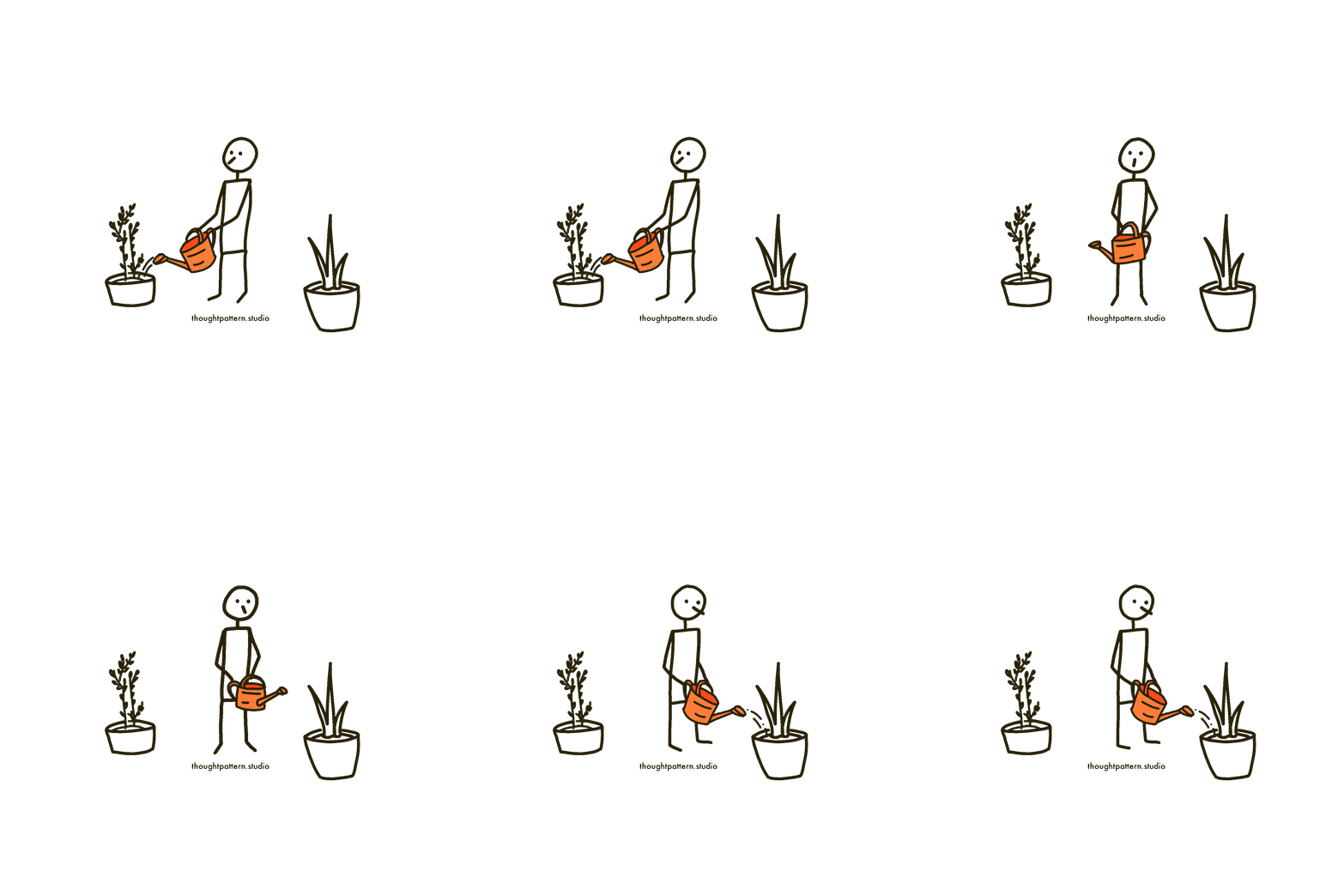
On some days, your focus will switch. You will be able to concentrate for some time, but you will need regular breaks. And like with a watering can, every time you stop and refill, you can direct the flow of water to the same activity or a new one.
Sometimes that's a natural pattern as your attention moves. Other times it's an external pressure - like on a day full of work meetings. The important thing here is that there are natural stopping points you can use to reorient yourself towards the next thing you need to do.
This state is often required from neurodivergent people, despite not being easy to attain. The degree of controlled focus is reliant on a well-regulated nervous system and well-managed, strategically positioned transitions, which we will explore a little later in the article.
Spray bottle (dispersed)
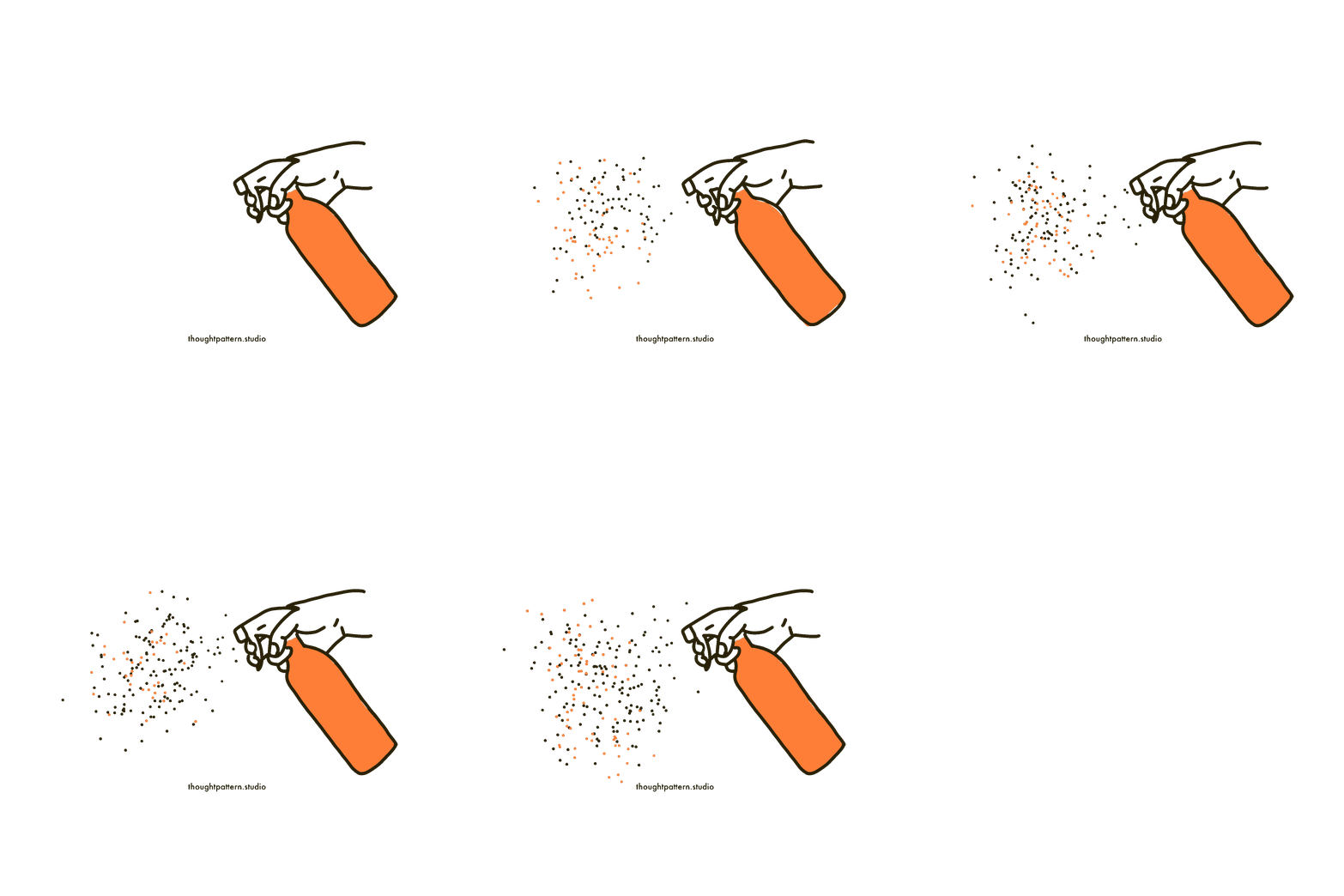
Attention comes in bursts, and flow is hard to achieve. Like a mist from a spray bottle, it's going in multiple directions at once. It could cover some ground, but not very well.
It can be a profoundly frustrating experience, making you vulnerable to falling into easy dopamine activities like scrolling, binge-watching or mindless snacking.
All brains need deep focus time, but neurodivergent brains are optimised for it. When attention fragments, stress increases. When in this state, the best course of action isn't to enforce focus, but to look for a regulating transition and prevent overwhelm.
Most crucially, you need to let your mind do what it's built to do as often as reasonably possible. Working against that continuously is a recipe for frustration and burnout. Make guilt-free time for the special interests and hyperfixations. You can let your brain have a field day and use this as restorative rest.
Transition types
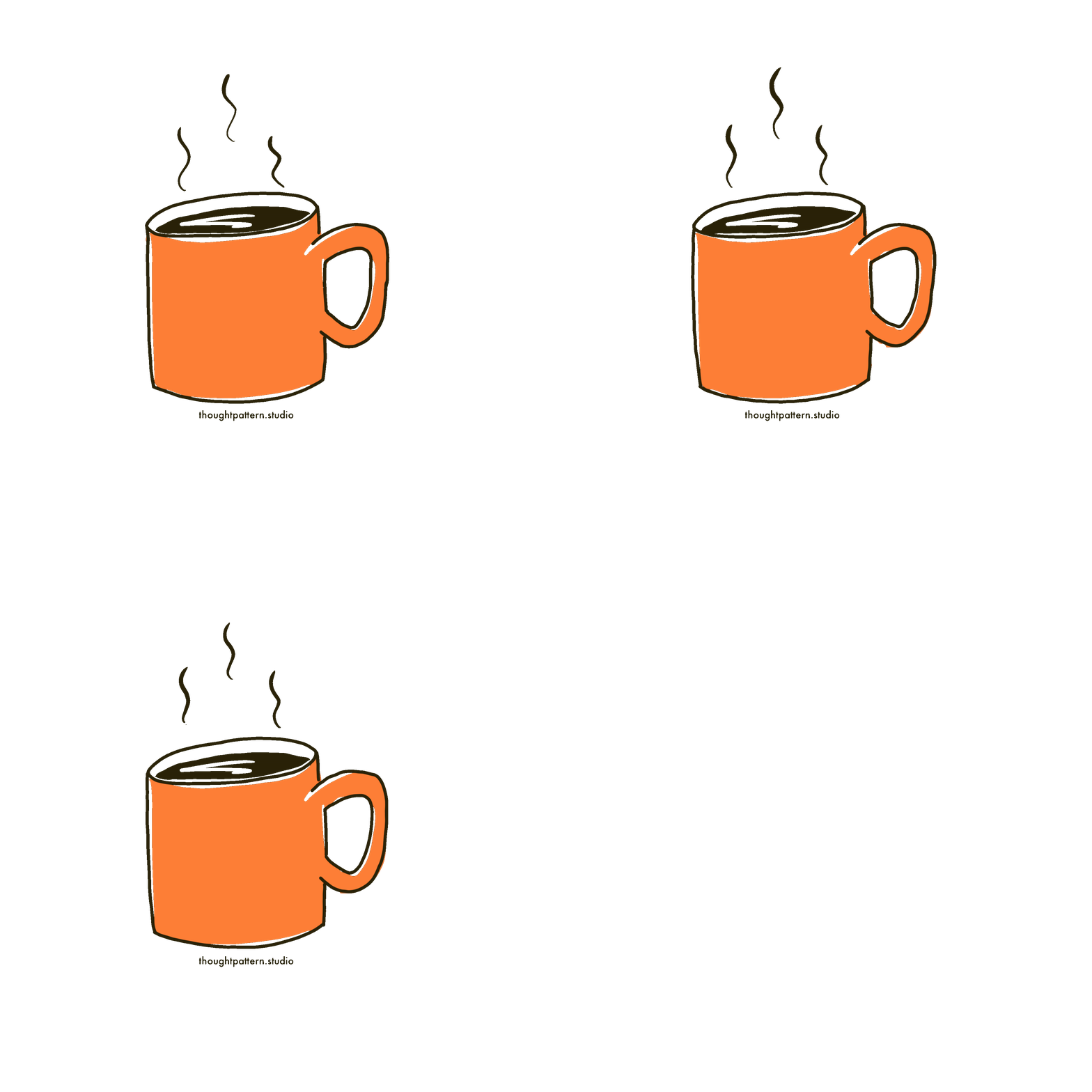
A dedicated transition makes stopping possible and starting easier. The time you need will vary depending on the level of focus and emotional toll of the activity you just disengaged from.
Deep focus and intense emotional processing require longer transitions; it can take 30 mins to 1 hour to refocus after an intense conversation or sharp concentration.
For light focus, 10 - 15 minutes might be enough to reset. Respect those transitions. Give your brain the space it needs to slow down and change direction safely.
Apart from length, transitions also vary by purpose. Each type helps you change state differently, so you can choose accordingly. Here are some types based on the kind of need they fulfil:
Connectors - They help you ladder up or down between activities. Think of them as warm-ups. Writing an outline before diving into deep writing, or laying out ingredients before starting to cook.
Spacers - They help you create room for pivots or new thoughts. Regulating activities like going on a walk around the block, free writing, grounding, meditation, or somatic body shakes all help move stuck energy.
Disruptors - Sensory interventions that shock your system out of overwhelm. Biting into a lemon slice, applying cold water to your wrists, neck or face release neurotransmitters like norepinephrine and dopamine.
Safety-builders - They address fear-based procrastination with comfort. You know best what that would be for you. A hot drink and a biscuit, a heavy blanket or listening to 528 Hz music can signal to your nervous system that you are safe. Once you feel that, you can plan your next step.
How to start
Your choice of transition, in part, will be informed by what you're about to start. It helps to understand if there's an underlying reason why starting a task or activity is hard.
Lack of clarity
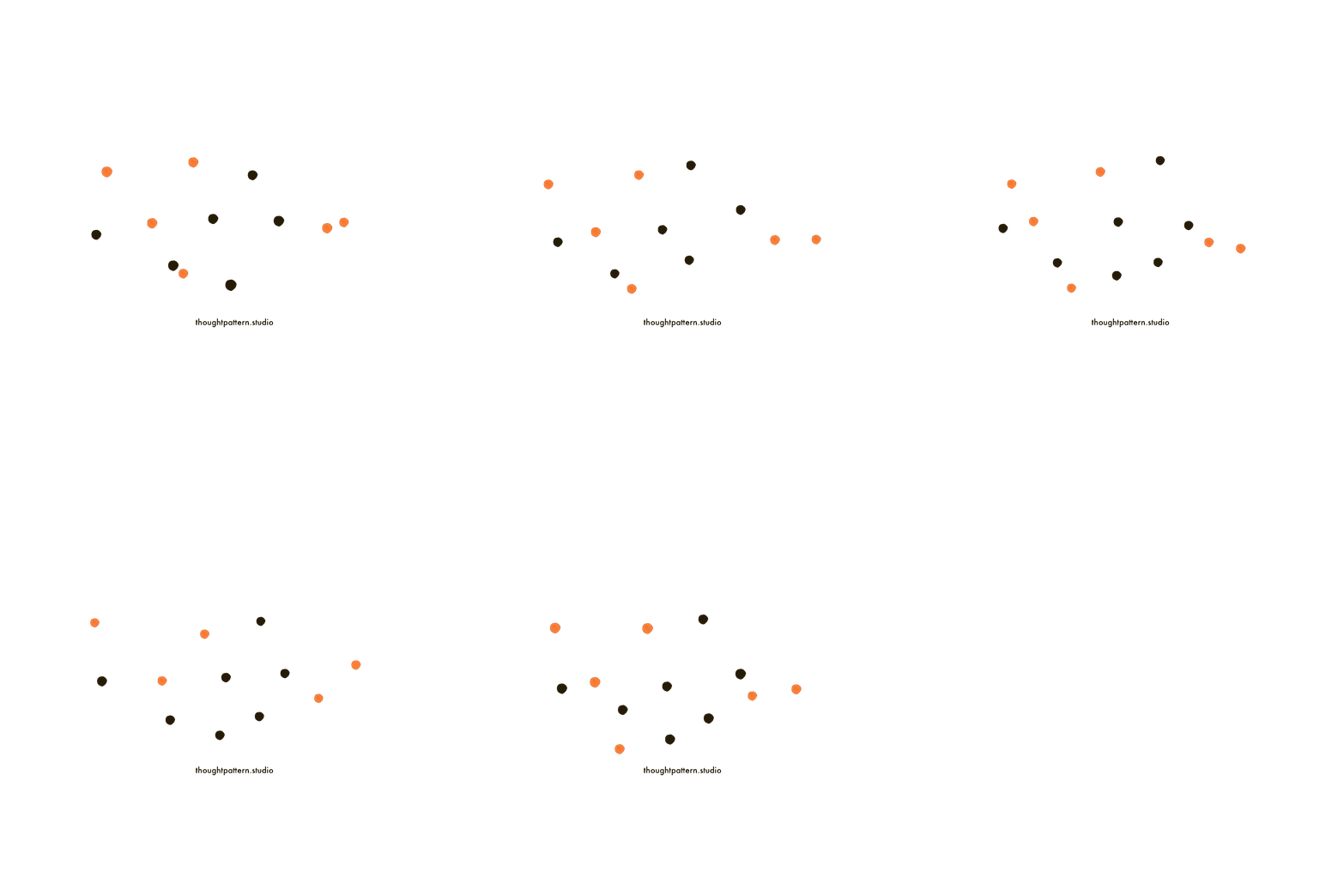
When we're not sure what the outcome or process is, it can act as a switch-off button. If your brain doesn't know what it's asked to do, it will wait for a clear brief. It's the 'sensible' thing to do.
So let's instruct it properly, as if we're briefing somebody else. When you're stuck in a haze, prioritise giving yourself the clearest possible directions. What does success look like exactly? How will you assess what 'good enough' is? What are the steps to get there? How long will it take? Does all of it need doing now, or can some of it be scheduled?
A good transition here would be a connector - writing a plan before diving in.
Big and scary
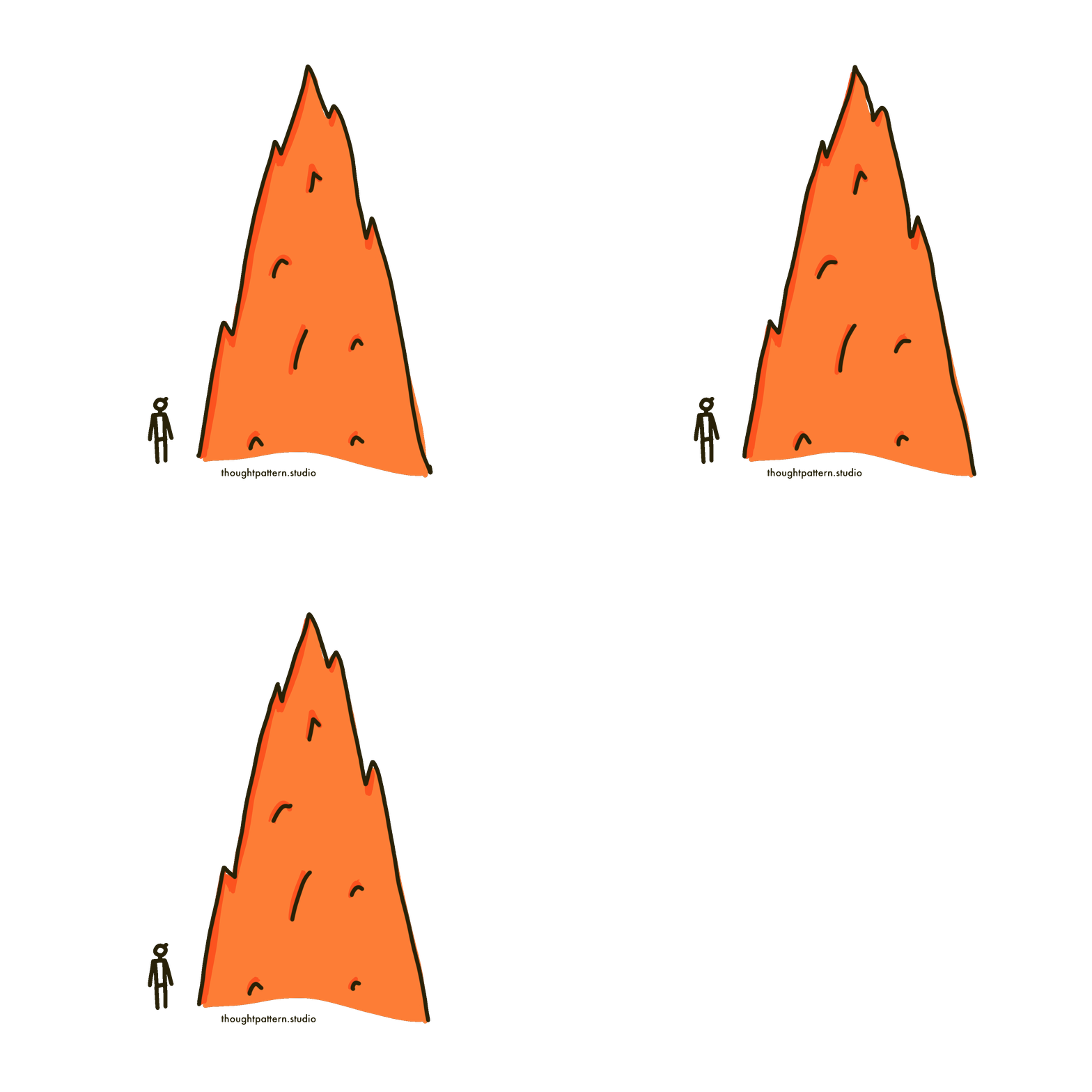
If the size of the task is overwhelming, it can lead you to procrastinate. I've written about feeling stuck before, but the high-level summary is this: if you're anxious about starting something, you are physically afraid of it. Your protection system won't allow it to happen until it starts to feel safe and ideally, interesting.
If overwhelm is already happening, your ideal transition here might be a disruptor, followed by a safety-builder. For me, that's splashing water on my face and making a decaf coffee.
Next, since it's hard to tackle a big task in one go, you can break it down into smaller steps, so it's less scary overall. That's your foothold to begin.
One way only
You may be holding a skewed impression of what needs doing. Sometimes the brain latches onto a solution or an approach and sees it as the only option. Very few things have a single right way to be done, so when you dread a task, it's worth checking - is this the only way I can do this? What would make it easy? Chances are, you will identify a new solution quickly. Or spot previously unseen barriers and remove them.
Neurodivergent people go through life on hard mode. Struggling with seemingly simple things, over time, can form an expectation that everything has to be difficult.
A good transition here would be a spacer. To break that pattern, make room for open thinking, like going for a walk or offloading your thoughts on paper. Look for opportunities to grant yourself permission for ease. Seek a lighter way and choose it without judgment.
Can transitions become procrastination?
Even with the best intentions, sometimes transitions can backfire. People I coach often worry about inadvertently using a transition as a way to avoid doing things. That's a valid concern. To alleviate it, you will build self-trust and conviction that you are working in your self-interest. This happens over time and with repeated action.
The crucial difference between transitioning and procrastinating is how intentional you are. Once you start to practice it, you will get a sense of what works and what doesn't. That's why it helps to think specifically, what is the transition giving me? Is it energy? Safety? Structure? Clarity? If it meets a true need, it's likely to unblock you and help you forward. If it's a distraction, you'll know quite soon. Then you can choose a different transition until you develop a feel for what is and isn't productive for you.
As usual, all doodles are by me, and alt text is embedded.
Thought Pattern
Navigate
© Thought Pattern Studio Ltd 2026








Services
Get something useful in your mailbox
Tips and strategies on how to work with your thoughts so they serve your best interest